
Call of Duty: Warzone
Call of Duty: Warzone on PC — What to Know Before You Queue
Call of Duty: Warzone is a battle royale built around BR quads, Resurgence, and ranked play. This guide covers legit improvement, patch-day habits, and how Ricochet fits into daily play — without treating shortcuts as a substitute for fundamentals.
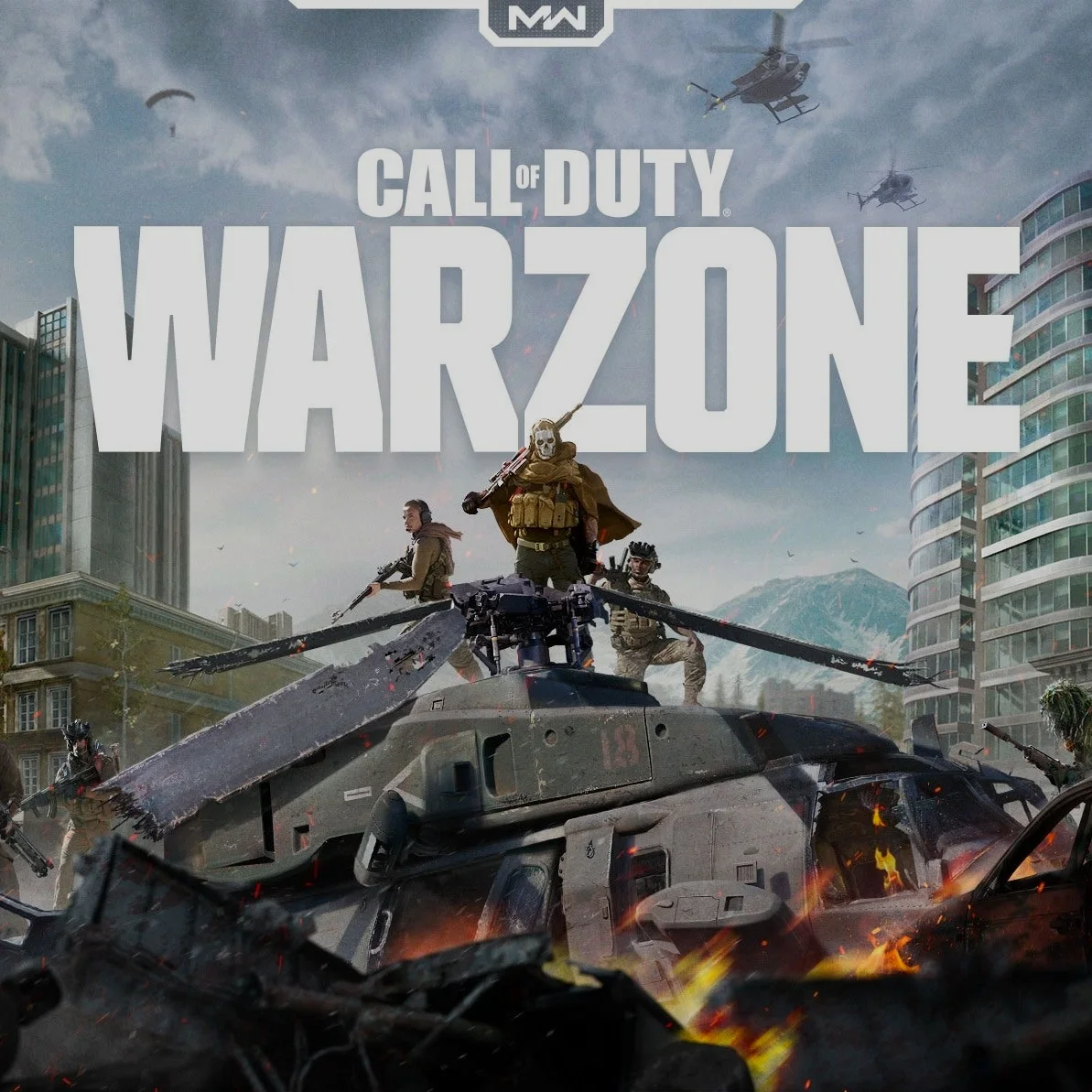
How Call of Duty: Warzone matches actually play out
Call of Duty: Warzone rewards players who understand BR quads, Resurgence, and ranked play. Ranked queues punish sloppy rotations, and Ricochet updates can change what third-party tools tolerate from week to week.
Before you chase any overlay or trainer, map your goal: PvP edge, faster looting, or offline practice. Each path needs different settings and a cooler risk profile.
Squad comms matter more than raw aim in Call of Duty: Warzone. Callouts on spawn timing and resource routes beat silent solo queueing every time.
Staying stable after Ricochet patches
Ricochet is built for battle royale titles like Call of Duty: Warzone. Kernel-level checks, behavior scoring, and report systems all feed the same pipeline.
Use a clean Windows profile, close overlay clutter, and verify game files after every major update. Half of "broken cheat" tickets are outdated loaders, not bans.
Document your loader version and game build when testing so you can roll back quickly if a session feels off.
Loadouts, settings, and legit improvement
Even players researching tools should master baseline mechanics in Call of Duty: Warzone. Sensitivity, FOV, and audio cues carry over whether you use assists or not.
Spend time in low-stakes modes to test recoil patterns and ability timings. BR quads, Resurgence, and ranked play all have training lanes if you look for them.
Match your graphics preset to your monitor refresh rate; stutter makes every feature feel worse than it is.
For more game updates, guides, and related resources, you can also explore more game information.